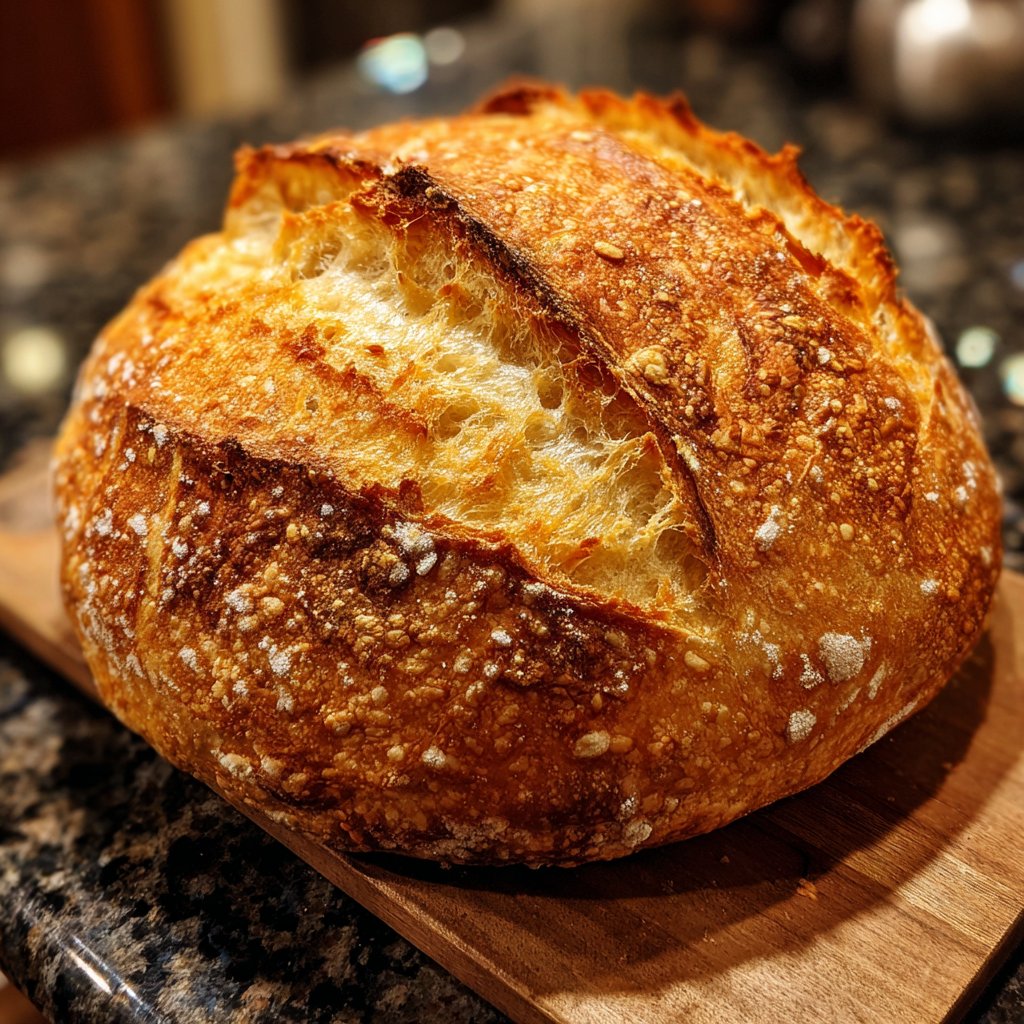
Soft Sweet Sourdough Bread
Highlighted under: Bakes & Bliss
I absolutely love baking bread, and there's something special about soft sweet sourdough. The process of nurturing the starter and watching the dough rise fills me with joy. Each time I make it, I experiment with various sweeteners and flavors, like honey and cinnamon, which infuse the bread with a comforting sweetness. The best part? The bread is incredibly versatile—whether enjoyed plain, slathered with butter, or used for sandwiches. I can't wait for you to try this recipe and experience the delightful aroma wafting through your home!
Every time I bake Soft Sweet Sourdough Bread, I remember the first time my grandma taught me the art of sourdough. The distinct tanginess paired with sweetness makes it a favorite among family and friends. After numerous trials, I’ve learned that allowing the dough to rise for an extended period, preferably overnight, enhances its flavor and texture greatly.
During my latest bake, I decided to incorporate some honey and a pinch of cinnamon, which elevated the bread to a new level. The warm aromas filling my kitchen brought back those cherished memories, making the entire experience even more fulfilling. I think you'll find that this method brings out the best in sourdough!
Why You Will Love This Recipe
- Soft, fluffy texture that melts in your mouth
- A perfect balance between sweet and tangy flavors
- Great for morning toast or an unforgettable sandwich
Understanding Sourdough Starter
Your sourdough starter is the heart of this recipe, providing the natural fermentation that creates the unique flavor profile and texture of the bread. A healthy starter should be bubbly and have a pleasant, tangy aroma. If your starter hasn't been fed recently, it's best to do so 4-8 hours before using it in the recipe. This ensures that it's active enough to leaven your dough effectively.
Remember that the activity of your starter can depend on the ambient temperature; warmer environments speed up fermentation while cooler ones slow it down. If your starter is sluggish, you can speed up the process by placing it in a warmer spot, such as near the oven while it’s preheating.
Shaping Techniques
When it comes to shaping your dough, be gentle to avoid deflating the air bubbles you've worked hard to create during fermentation. To shape a round loaf, use the bench scraper to lift and fold the edges of the dough towards the center, creating structure. After it rests for 30 minutes, you can tighten the shape further by using the palms of your hands on a lightly floured surface, pulling the dough towards you to create surface tension.
A well-shaped loaf will have a smooth, tight surface and should hold its shape during the final proof. If you notice your dough spreading too much, it may need a bit more flour while shaping. Alternatively, make sure you’re not over-hydrating the dough; sticking to the recipe’s water amount is crucial for the right texture.
Baking and Storage Tips
Baking at the right temperature is key to achieving the perfect crust and crumb. Once your oven is preheated to 220°C (425°F), consider using a baking stone to help evenly distribute heat. If you don't have one, a heavy baking sheet turned upside down can serve as a makeshift stone. Place the dough on the hot stone or sheet to ensure a good initial rise, known as 'oven spring.'
After baking, let the bread cool on a wire rack for at least one hour before slicing. This cooling phase allows the crumb to set and flavors to develop fully. Storing your sourdough properly is essential to maintain freshness; I recommend wrapping it in a kitchen towel rather than plastic to allow it to breathe. You can also freeze slices for later—simply freeze them on a baking sheet and then store in a zip-top bag once solid.
Ingredients
Gather these basic ingredients to make your Soft Sweet Sourdough Bread:
Main Ingredients
- 500g bread flour
- 350ml water, room temperature
- 100g active sourdough starter
- 30g honey
- 10g salt
Make sure to measure your ingredients accurately for the best results!

Instructions
Here’s how to create this delicious sourdough:
Mix the Dough
In a large bowl, combine the bread flour, water, and sourdough starter. Stir until no dry flour remains. Let it rest for 30 minutes. Add honey and salt, then mix thoroughly.
Bulk Fermentation
Cover the bowl with a damp cloth and allow it to rise at room temperature for 6-8 hours, performing stretch and folds every 30 minutes for the first 2 hours.
Shape the Dough
After the rise, gently turn the dough onto a floured surface and shape it into a round loaf. Let it rest for 30 minutes.
Final Proof
Place the shaped dough into a floured proofing basket, cover with a cloth, and let it rise for another 1-2 hours.
Bake the Bread
Preheat your oven to 220°C (425°F). Once hot, transfer the dough to a baking stone or a baking sheet. Bake for 30 minutes until golden brown and hollow-sounding when tapped.
Allow the bread to cool on a wire rack before slicing.
Pro Tips
- Experiment with different sweeteners like brown sugar or maple syrup to personalize the flavor. If you can, let the dough ferment longer for an even deeper flavor!
Flavor Variations
While this recipe's base is delightful, consider adding additional flavors to suit your preferences. Incorporating spices such as cinnamon or nutmeg can lend warmth to the bread, while ingredients like dried fruits or nuts can offer texture and complexity. Just be mindful that adding too many mix-ins can affect the dough's hydration balance, so you may need to adjust the water slightly.
Using different sweeteners like maple syrup or agave can also alter the flavor profile. However, note that liquid sweeteners might require a bit more flour to obtain the right dough consistency. Always keep the overall balance of ingredients in mind when making adjustments.
Troubleshooting Common Issues
If your loaf doesn’t rise as expected, it might be due to an inactive starter or insufficient bulk fermentation time. Ensure that your starter is bubbly and has doubled in size before mixing it into the dough. If it’s warm and your dough isn’t rising during the bulk fermentation phase, consider giving it more time—sometimes a few extra hours can make all the difference.
In case you find your crust is too thick or too hard after baking, try reducing the baking time slightly or lowering the oven temperature by 10°C (approximately 20°F). An overly thick crust can result from baking at too high a temperature or using too much steam in the oven.
Scaling the Recipe
If you want to make more loaves, scaling the recipe up is straightforward. Simply multiply the ingredient amounts by the number of loaves you wish to bake. However, be sure to maintain the same ratios to ensure the texture and flavor remain consistent. It's best to keep the bulk fermentation time the same to ensure optimal flavor development.
Conversely, if you want to make a smaller batch, you can easily halve the ingredients. Just remember that the timing for fermentation and proofing might be slightly shorter, so keep a close eye on your dough to ensure perfect results.
Questions About Recipes
→ Can I use all-purpose flour instead of bread flour?
Yes, but the texture may be slightly different as bread flour gives the bread more structure.
→ How can I make this recipe gluten-free?
You can substitute gluten-free all-purpose flour and add a binding agent like xanthan gum.
→ How long does the sourdough starter last?
If kept in the fridge and fed regularly, a sourdough starter can last indefinitely!
→ Can I freeze the bread?
Absolutely! Make sure to wrap it tightly to prevent freezer burn.
Soft Sweet Sourdough Bread
Created by: Abigail Foster
Recipe Type: Bakes & Bliss
Skill Level: Intermediate
Final Quantity: 1 loaf
What You'll Need
Main Ingredients
- 500g bread flour
- 350ml water, room temperature
- 100g active sourdough starter
- 30g honey
- 10g salt
How-To Steps
In a large bowl, combine the bread flour, water, and sourdough starter. Stir until no dry flour remains. Let it rest for 30 minutes. Add honey and salt, then mix thoroughly.
Cover the bowl with a damp cloth and allow it to rise at room temperature for 6-8 hours, performing stretch and folds every 30 minutes for the first 2 hours.
After the rise, gently turn the dough onto a floured surface and shape it into a round loaf. Let it rest for 30 minutes.
Place the shaped dough into a floured proofing basket, cover with a cloth, and let it rise for another 1-2 hours.
Preheat your oven to 220°C (425°F). Once hot, transfer the dough to a baking stone or a baking sheet. Bake for 30 minutes until golden brown and hollow-sounding when tapped.
Extra Tips
- Experiment with different sweeteners like brown sugar or maple syrup to personalize the flavor. If you can, let the dough ferment longer for an even deeper flavor!
Nutritional Breakdown (Per Serving)
- Calories: 220 kcal
- Total Fat: 0.5g
- Saturated Fat: 0g
- Cholesterol: 0mg
- Sodium: 10mg
- Total Carbohydrates: 46g
- Dietary Fiber: 2g
- Sugars: 5g
- Protein: 6g