Jamaican Coconut Rice
Highlighted under: Cultural Cuisine
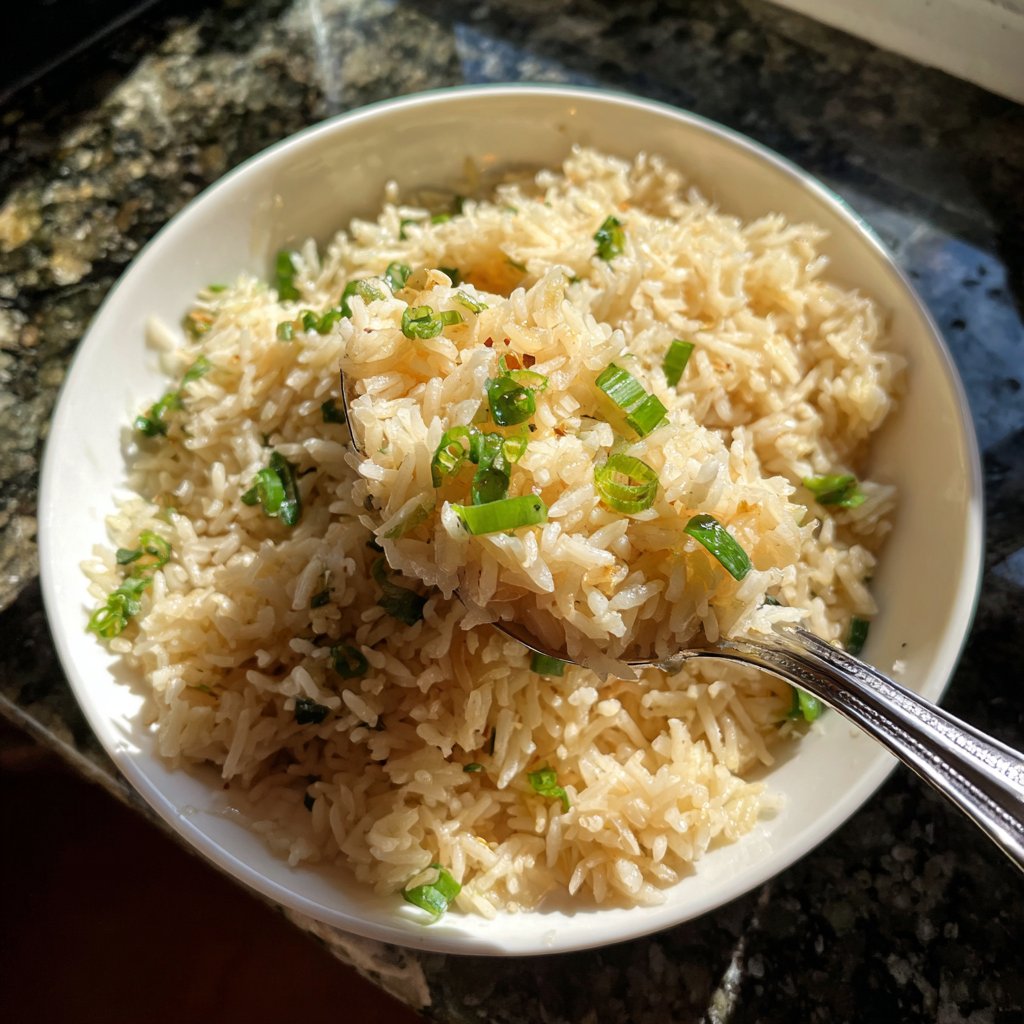
I absolutely love Jamaican Coconut Rice for its luscious, creamy taste and the way it beautifully accompanies a variety of dishes. Each grain absorbs the rich coconut milk, resulting in a fragrant and subtly sweet flavor that transports me straight to the Caribbean. The balance of the light coconut essence with a hint of saltiness makes it an ideal side for spicy curries or grilled meats. I can't resist the combination of textures and flavors, which truly makes this rice a standout at any meal.
Making Jamaican Coconut Rice has been an adventure in flavor for me. I experimented with various coconut milk brands and found that the fresher the coconut milk, the better the rice becomes. There's something magical about the melding of coconut with rice, each bite reminiscent of a tropical getaway.
One of my favorite tips is to toast the rice briefly in a little oil before adding the coconut milk and water. This technique enhances the rice's nuttiness and creates a lovely texture. Trust me; it makes a significant difference in flavor and is worth the extra minute!
Why You Will Love This Recipe
- Rich coconut flavor that adds depth to any meal
- Creamy texture that pairs perfectly with savory dishes
- Easy to prepare yet makes you feel like a gourmet chef
The Importance of Rinsing
Rinsing the rice is a crucial step that many cooks overlook. By rinsing the rice under cold water until it runs clear, you are removing excess starch that can cause the rice to become clumpy and gummy during cooking. This simple technique enhances the final texture, allowing each grain to maintain its individuality and fluffy character, which is especially beneficial for coconut rice to absorb that delicious coconut milk without becoming overly sticky.
Another advantage of rinsing is that it helps to improve the flavor of the rice. By washing away any powdery residue from processing, you allow the natural nutty flavor of the rice to shine through, enhancing the overall taste of your coconut rice. Take this step seriously for the best results—it's these little details that make a world of difference!
Why Toasting Matters
Toasting the rice is a key technique that adds depth and complexity to your Jamaican Coconut Rice. When you heat the rinsed rice in oil, the grains begin to toast, which not only improves their flavor but also helps to create a slightly nutty aroma as they cook. Aim for a light golden color during the toasting process, about 2-3 minutes over medium heat, to ensure you don't burn the rice while maximizing its flavor potential.
This step also serves to coat the rice grains with oil, aiding in their ability to separate during cooking. It’s a small but impactful step in this recipe; just be sure to stir constantly to prevent sticking or burning. If you notice any golden edges forming, you’re on the right track!
Perfecting the Cooking Technique
When combining the liquid ingredients for cooking, achieving the right balance is essential. The ratio of coconut milk to water should remain consistent to ensure the rice absorbs moisture evenly while maintaining its tender structure. Use a medium heat to bring the mixture to a gentle boil, then immediately reduce to low to avoid boiling over. A low simmer allows the coconut milk's richness to infuse the rice without scalding it, typically for about 20 minutes.
After cooking, letting the rice sit covered for an additional 5 minutes is equally important. This resting phase allows the steam to distribute evenly, resulting in a fluffier texture. Don’t rush this step! Fluff the rice gently with a fork to avoid crushing the grains and damaging that unctuous creaminess you’ve worked for.
Ingredients
Gather these ingredients to bring the tropical flavor to your kitchen!
Ingredients
- 2 cups long-grain white rice
- 1 can (13.5 oz) coconut milk
- 1 cup water
- 1 teaspoon salt
- 1 tablespoon sugar
- 1/4 cup finely chopped scallions (optional)
- 1/2 teaspoon ground ginger (optional)
These simple ingredients will yield fragrant and delicious coconut rice!
Instructions
Follow these steps to make the perfect Jamaican Coconut Rice!
Rinse the Rice
Start by rinsing the rice under cold water until the water runs clear. This helps to remove excess starch and prevents the rice from becoming gummy.
Toast the Rice
In a pot, heat a tablespoon of oil over medium heat. Add the rinsed rice and toast it for about 2-3 minutes, or until it's lightly golden.
Combine Ingredients
Pour in the coconut milk and water. Add the salt and sugar, and stir to combine everything well.
Cook the Rice
Bring the mixture to a boil, then reduce the heat to low, cover the pot, and let it simmer for about 20 minutes, or until the rice is tender and the liquid is absorbed.
Fluff and Serve
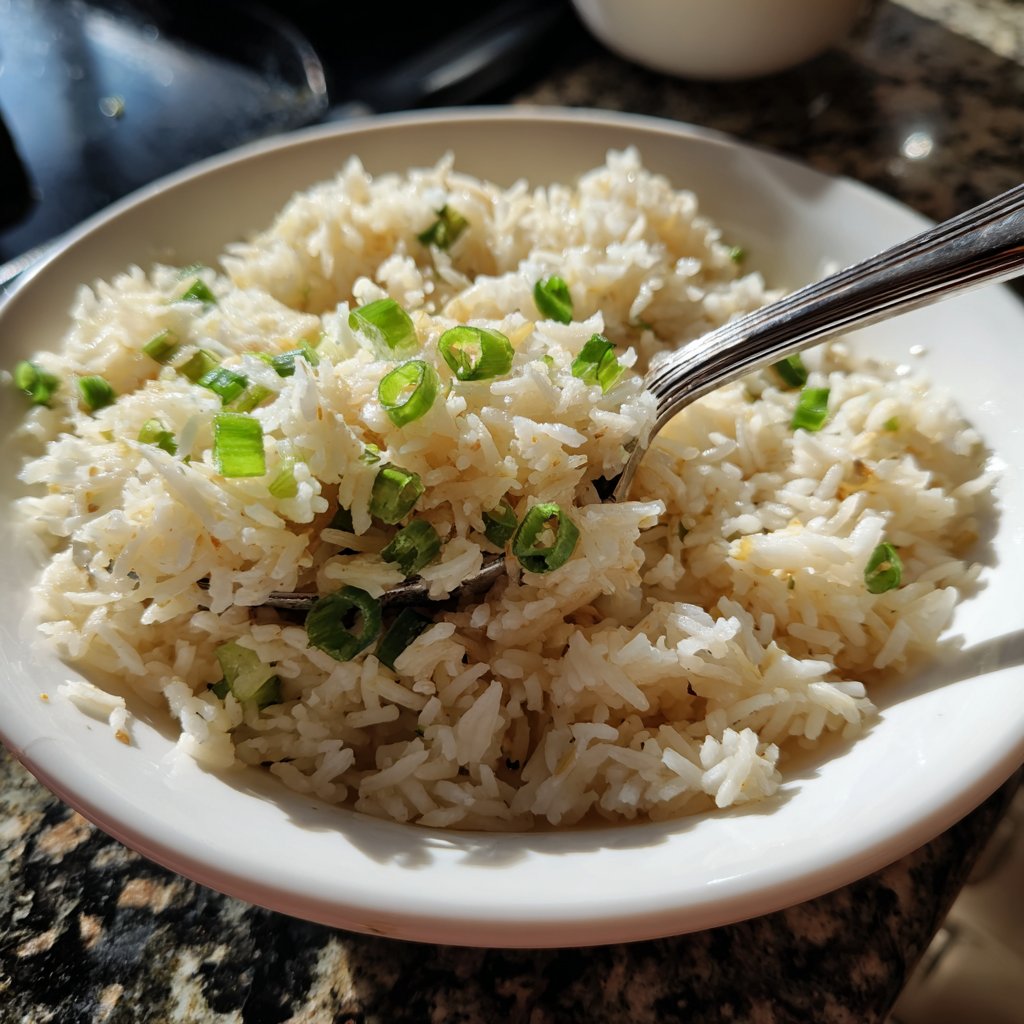
Once cooked, turn off the heat and let the rice sit covered for an additional 5 minutes. Fluff the rice with a fork, adding chopped scallions or ground ginger if desired, and serve hot.
Enjoy your delightful tropical-inspired dish!
Pro Tips
- For an extra touch, consider adding grated lime zest or toasted coconut flakes before serving to enhance the flavors even further.
Substitutions and Variations
For those looking to customize their coconut rice, several ingredient substitutions can elevate the dish. If you want to avoid sugar, consider using a pinch of coconut sugar or sweetener of your choice to maintain that slight sweetness that plays off the coconut flavor. Alternatively, for a savory twist, omit the sugar and stir in some toasted sesame oil for an exciting depth.
Additionally, the scallions and ground ginger can be varied based on your preference. Fresh herbs such as cilantro or mint can replace the scallions for a fresh, aromatic touch. As for the ginger, fresh grated ginger instead of ground can provide a more vibrant zing. Make it your own based on what’s available in your pantry!
Storage and Reheating Tips
This Jamaican Coconut Rice is perfect for make-ahead meals. Store any leftovers in an airtight container in the refrigerator for up to 4 days. When ready to enjoy again, reheat gently in a saucepan with a splash of water or coconut milk to rejuvenate its creamy texture. Cover while reheating to create steam, which prevents the rice from drying out.
For longer-term storage, you can freeze the coconut rice. Allow it to cool completely before transferring it to freezer-safe bags or containers, where it can last up to 2 months. When reheating from frozen, it’s best to do so in the microwave with a bit of water to help evenly distribute warmth and maintain creaminess.
Serving Suggestions
Jamaican Coconut Rice pairs beautifully with a variety of dishes, making it a versatile side for your meals. It complements spicy curries perfectly—think chicken curry or vegetable tikka masala—where the rice can help mellow intense flavors while adding a delightful coconut touch. Grilled or roasted meats like jerk chicken also make an excellent pairing for that beautiful contrast between smoke and sweetness.
For a vegetarian option, serve it alongside sautéed vegetables or a hearty bean dish, such as black beans or lentils, for a balanced and satisfying meal. You could also serve it topped with a sprinkle of toasted coconut flakes for an extra layer of flavor and texture, making it an unforgettable table centerpiece!
Questions About Recipes
→ Can I use brown rice instead?
Yes, but be aware that brown rice will require more liquid and a longer cooking time.
→ Is it possible to make this vegan?
Absolutely! The recipe is inherently vegan as it only contains plant-based ingredients.
→ How should I store leftovers?
Store leftovers in an airtight container in the fridge for up to 3 days. Reheat gently with a splash of water to restore moisture.
→ Can I add other ingredients for flavor?
Certainly! Feel free to experiment with spices like turmeric or add vegetables such as peas or bell peppers.
Jamaican Coconut Rice
Created by: Abigail Foster
Recipe Type: Cultural Cuisine
Skill Level: Intermediate
Final Quantity: 4 servings
What You'll Need
Ingredients
- 2 cups long-grain white rice
- 1 can (13.5 oz) coconut milk
- 1 cup water
- 1 teaspoon salt
- 1 tablespoon sugar
- 1/4 cup finely chopped scallions (optional)
- 1/2 teaspoon ground ginger (optional)
How-To Steps
Start by rinsing the rice under cold water until the water runs clear. This helps to remove excess starch and prevents the rice from becoming gummy.
In a pot, heat a tablespoon of oil over medium heat. Add the rinsed rice and toast it for about 2-3 minutes, or until it's lightly golden.
Pour in the coconut milk and water. Add the salt and sugar, and stir to combine everything well.
Bring the mixture to a boil, then reduce the heat to low, cover the pot, and let it simmer for about 20 minutes, or until the rice is tender and the liquid is absorbed.
Once cooked, turn off the heat and let the rice sit covered for an additional 5 minutes. Fluff the rice with a fork, adding chopped scallions or ground ginger if desired, and serve hot.
Extra Tips
- For an extra touch, consider adding grated lime zest or toasted coconut flakes before serving to enhance the flavors even further.
Nutritional Breakdown (Per Serving)
- Calories: 320 kcal
- Total Fat: 14g
- Saturated Fat: 12g
- Cholesterol: 0mg
- Sodium: 600mg
- Total Carbohydrates: 46g
- Dietary Fiber: 2g
- Sugars: 2g
- Protein: 3g